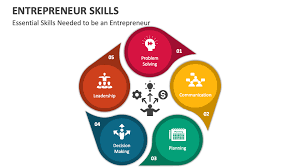
Key Skills Every Aspiring Entrepreneur Needs
Becoming a successful entrepreneur requires more than just having a great idea—it demands a diverse set of skills that help turn vision into reality. Whether you’re launching a startup or scaling a business, developing and honing certain skills can make the difference between success and failure. Here are some of the key skills every aspiring entrepreneur needs to thrive in the competitive world of business.
Leadership and Management Skills
One of the most important skills for any entrepreneur is the ability to lead and manage a team effectively. As a business owner, you’ll need to inspire, motivate, and guide employees toward a shared vision. Leadership isn’t just about giving orders—it’s about creating a positive culture, building trust, and providing direction. Strong management skills are also essential for ensuring that projects are completed on time, resources are allocated effectively, and teams work cohesively. Being a great leader also means knowing when to delegate tasks, empower your team, and step back to allow others to shine.
Financial Literacy
A solid understanding of financial management is crucial for an entrepreneur. Managing cash flow, budgeting, reading financial statements, and understanding taxes are all key components of running a successful business. Entrepreneurs need to be able to make informed decisions about investments, pricing, and financial forecasting. In the early stages, many entrepreneurs also need to raise capital, whether through loans, investors, or personal savings, and must be able to present their business plans and financial projections clearly. Without financial literacy, even the most innovative ideas can run into problems when money becomes tight.
Communication Skills
Whether you’re pitching to investors, negotiating with suppliers, or leading a team, communication is vital. Clear and effective communication helps to ensure that your message is understood, builds strong relationships, and minimizes misunderstandings. Good communication skills include not only speaking and writing clearly but also listening attentively to others. As an entrepreneur, you must be able to articulate your ideas, vision, and goals convincingly to a variety of audiences, both internal and external to your business. It also involves being open to feedback and handling difficult conversations with diplomacy and tact.
Problem-Solving and Critical Thinking
Entrepreneurship is filled with obstacles and challenges that require quick thinking and the ability to solve problems creatively. Critical thinking allows entrepreneurs to analyze situations, assess potential risks and rewards, and make sound decisions. This skill is particularly useful in times of uncertainty or during business crises when traditional solutions might not apply. Developing problem-solving skills helps you identify innovative solutions, evaluate various options, and implement effective strategies to overcome barriers to growth and success.
Marketing and Sales Skills
In today’s competitive market, entrepreneurs must be able to effectively market and sell their products or services. A strong understanding of marketing strategies, including digital marketing, content creation, branding, and market research, can significantly improve a business’s visibility and customer engagement. Additionally, sales skills are critical for converting prospects into loyal customers. This involves understanding your target market, crafting persuasive sales pitches, and building long-term relationships. Knowing how to attract and retain customers is key to business growth and sustainability.
Time Management and Organization
Starting and running a business often involves juggling multiple tasks and responsibilities. Entrepreneurs need to prioritize effectively, stay organized, and manage their time efficiently. Time management skills help ensure that important tasks are completed on schedule, and that there’s enough time for both strategic planning and execution. Organizational skills extend beyond managing personal time; they involve structuring business operations, managing projects, and ensuring that resources are used efficiently. With effective time management, entrepreneurs can balance daily operations with long-term business goals.
Networking and Relationship Building
Building a strong network is one of the most valuable assets an entrepreneur can have. Networking is essential for finding partners, investors, mentors, and clients. Successful entrepreneurs actively seek out opportunities to connect with others in their industry, attend events, and participate in online communities. These connections can provide valuable insights, potential collaborations, and business growth opportunities. Relationship-building is a long-term investment—nurturing partnerships and maintaining goodwill with key stakeholders helps create opportunities and expand the entrepreneur’s reach.
Resilience and Emotional Intelligence
Entrepreneurship is a rollercoaster ride filled with ups and downs. Resilience—the ability to recover from setbacks, learn from failure, and keep moving forward—is essential for long-term success. Alongside resilience, emotional intelligence (EQ) helps entrepreneurs navigate the emotional challenges of running a business. EQ includes self-awareness, empathy, and the ability to manage stress and maintain a positive mindset. Entrepreneurs with high emotional intelligence are better at handling stress, understanding team dynamics, and leading with empathy, which can improve workplace morale and decision-making.
Negotiation Skills
Negotiation is an essential skill for entrepreneurs, whether it’s securing a deal with suppliers, finalizing contracts with clients, or hiring employees. Strong negotiation skills allow entrepreneurs to find mutually beneficial agreements, manage conflicts, and ensure the best possible outcomes for their business. Good negotiators listen carefully, remain calm under pressure, and know when to make concessions or stand firm. Successful negotiation often requires a balance between assertiveness and collaboration to create win-win scenarios.